

Dr. Hughes’ “Two Cents” on OTC Hearing Aids

- Untreated hearing loss affects more than hearing. Research links it to cognitive decline, depression, and a higher risk of accidents.
- Cost concerns often delay care. Many people put off treatment due to affordability worries.
- Hearing care is becoming more accessible. Advances in technology, updated legislation, and expanded insurance coverage are making treatment more attainable.
- New technology offers more options. Recent innovations include more affordable hearing solutions and over-the-counter devices available through retail stores and pharmacies.
- OTC devices may help some individuals. These options can be appropriate for people with slight to mild hearing loss.
- You don’t have to navigate hearing loss alone. Even when considering retail or online devices, professional guidance matters.
- A diagnostic hearing evaluation is the first step. Testing with a licensed audiologist helps identify your specific hearing needs and the cause of hearing loss.
- Proper fit and programming are essential. Personalized care improves sound clarity, comfort, and long-term success.
- Local expertise you can trust. We work closely with our Fairbanks Costco and stay informed about online options to help guide you toward the best solution for your lifestyle and goals.
- We’re here to help. Contact Aurora Audiology to learn more about cost-effective hearing solutions for slight to mild hearing loss. Our team is ready to listen, educate, and support you every step of the way.
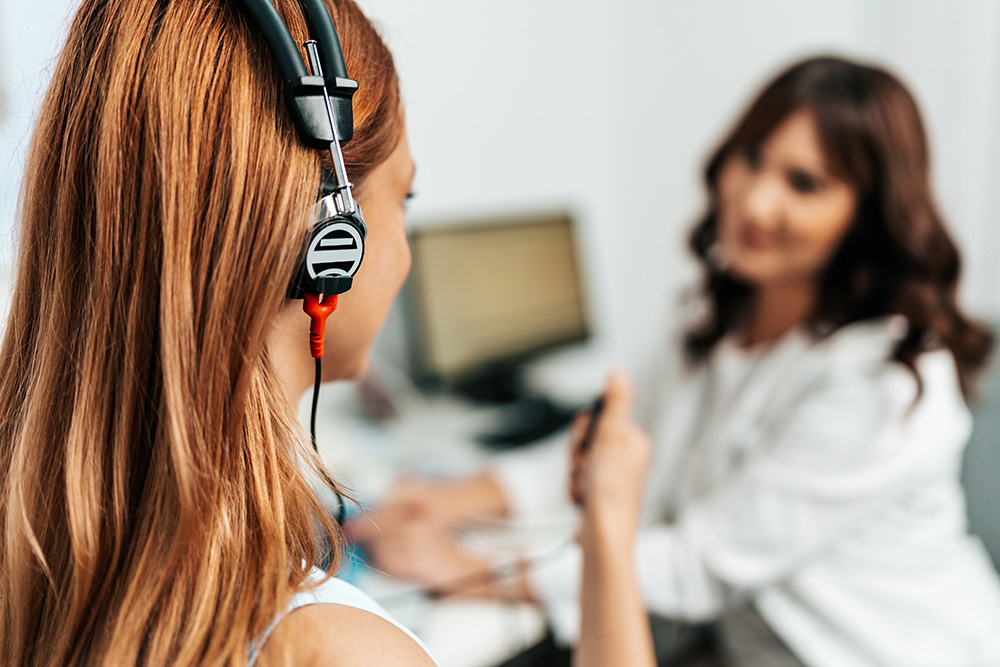
Why does treating hearing loss have to start with a hearing test?
A comprehensive diagnostic hearing evaluation is an important investment in your hearing and long-term brain health. Unlike “free” online tests or retail hearing screenings, a diagnostic evaluation performed by a licensed audiologist assesses the entire auditory system—from the outer and middle ear to the inner ear and auditory pathways that connect to the brain.
This comprehensive assessment helps identify not only hearing loss, but also potential medical, neurological, or auditory processing concerns that may be affecting communication. The results guide personalized treatment recommendations, which may include hearing aids, auditory processing therapy, medical referral, surgical intervention, or implantable hearing technology when appropriate.
At Aurora Audiology, our goal is to provide clear answers, evidence-based recommendations, and compassionate guidance so you can make informed decisions about your hearing, communication, and overall well-being.
Volume is Not the Only Significant Factor
Hearing aids are not simply little sound-amplifying speakers. Hearing aids need to be fine-tuned to address the frequencies that you’re having trouble hearing in a similar way that prescription glasses need to target your particular vision needs. Clear hearing absolutely depends on a properly tuned device.
When it comes to investing in hearing aids, an initial hearing test is essential, but in order to be sure your device continues to address your present level of hearing loss, a yearly appointment is also important.
Another Important Feature is the Ability to Filter Out Background Noise
Professional hearing aids also have some other features that over-the-counter amplifiers lack. Modern hearing aids allow voices to be heard more clearly by using artificial intelligence to filter out background noise. Contemporary hearing aids also often have some advanced features like step tracking, tinnitus control, and Bluetooth connectivity, allowing them to pair wirelessly with your cellphone or smart TV.