
How to Protect Your Hearing
Prolonged exposure to loud noises can lead to permanent hearing loss and, in some instances, tinnitus. While many people think of firearms, concerts, or heavy equipment as the primary risks, everyday noise exposure can also contribute to cumulative hearing damage over time. Sounds above 85 decibels—including lawnmowers, leaf blowers, power tools, hair dryers, office equipment, fitness classes, motorsports, and certain hobbies—can damage the delicate sensory cells of the inner ear with repeated exposure.
Noise-induced hearing loss is permanent but preventable. Using appropriate hearing protection, limiting exposure when possible, and monitoring your hearing regularly can help preserve both hearing and long-term auditory health. Even small reductions in daily noise exposure can make a meaningful difference over a lifetime.
Types of Hearing Protection
There are various hearing protection options to suit different needs, including but not limited to:
Earplugs
Earmuffs
These cover the entire outer ear and are suitable for environments with consistent loud noise.
Custom-Fit Protectors
Tailored to the individual’s ear shape, these offer personalized comfort and protection.
Specialized Hearing Protection with Bluetooth
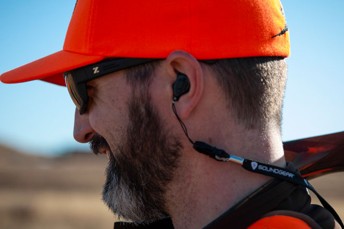
For individuals who need to protect their hearing while remaining connected, modern digital hearing protection offers the best of both worlds. Advanced electronic and Bluetooth-enabled hearing protection devices can reduce hazardous noise exposure while still allowing important sounds—such as speech, warning signals, radio communication, phone calls, and environmental awareness—to remain audible.
These technologies are particularly valuable for occupational settings, hunting and shooting sports, motorsports, aviation, and other noisy environments where both hearing protection and communication are essential. By combining noise reduction with digital sound processing and wireless connectivity, today’s hearing protection solutions help preserve hearing without sacrificing situational awareness.
Choosing the Right Hearing Protection
Selecting the appropriate hearing protection depends on your specific environment and needs. Factors to consider include the noise level, duration of exposure, and the necessity to communicate while wearing your choice of protection.
For example, are you a construction worker or musician being exposed to loud noise as part of your everyday work experience? Or, are you just needing protection for a one-time attendance at a concert or fireworks display? Either way, consulting with an audiologist can help you determine the best solution for your individual situation. Call 907-451-4327 or contact us online for assistance.